Top Record Labels in Nigeria and Their Artists
Top Record Labels in Nigeria — Who Runs Them and Which Artists Made Them Famous
Nigeria’s music industry has exploded over the last 15 years from a strong local scene into a global Afrobeats juggernaut. A big part of that growth has been the rise (and reinvention) of Nigerian record labels — some longstanding, some built around superstar founders, and others nimble indie outfits that scout raw talent and turn it into global hits. Below I map the top record labels in Nigeria, give a short history of each, highlight the artists that made (or are making) them famous, and explain what makes each label unique.
1. Mavin Records — the hit factory
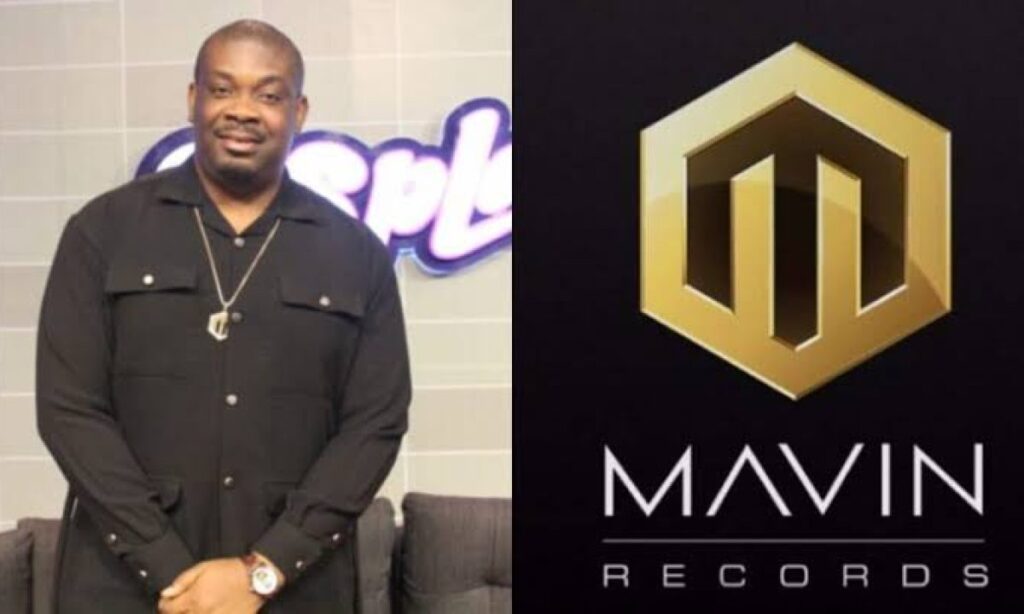
Founded by producer Don Jazzy in 2012 after Mo’Hits split, Mavin Records quickly reinvented itself as a pan-African pop and Afrobeats factory. Over the last decade Mavin has been home to breakout global stars and critically acclaimed artists who blend pop, R&B and Afrobeats with sleek production values. Mavin’s modern roster has included names like Rema, Ayra Starr, Ladipoe, Crayon, Johnny Drille, Magixx and more. The label is widely credited with consistently creating chart-ready artists and records that travel beyond Nigeria.
Why it matters: Don Jazzy’s production pedigree and Mavin’s artist development approach have produced multiple international successes — Rema and Ayra Starr in particular have become Afrobeats ambassadors on streaming playlists worldwide.
2. Chocolate City — hip-hop, alt-R&B and artist incubator
Chocolate City is one of Nigeria’s most influential labels, dating back to the mid-2000s. Initially a hub for Nigerian hip-hop and conscious rap, Chocolate City launched careers for artists such as M.I Abaga, Ice Prince, Jesse Jagz and later broadened into more pop and afrobeats acts like CKay and Blaqbonez. The label has been praised for nurturing artistic identity and for shaping Nigerian hip-hop’s evolution.
What stands out: Chocolate City’s strength has been in developing individual artistry and storytelling — M.I and Ice Prince helped define a generation of Nigerian rap, and newer signees like CKay have taken that foundation into more global, cross-genre spaces.
3. YBNL Nation — Olamide’s talent machine

YBNL (Yahoo Boy No Laptop) Nation, founded by Olamide, is a striking example of a star-led label that became an industry gatekeeper. Since 2012 YBNL has launched and supported acts including Fireboy DML, Asake, Adekunle Gold (earlier), Lil Kesh, Pheelz and others. The label’s approach blends street credibility with catchy songwriting and strong regional (Yoruba-inflected) identity, which has translated into national — and increasingly international — success. In recent years YBNL has also fortified its global footprint through distribution partnerships.
Why it matters: Olamide’s label is notable for consistently spotting talent who can bridge indigenous sound with mainstream appeal. The label’s artists often dominate charts and sellout shows across Nigeria and the diaspora.
4. DMW (Davido Music Worldwide) — star founder, pop power
Davido launched DMW in 2016 and quickly turned it into a commercial powerhouse. The label’s roster has included household pop names such as Mayorkun, Peruzzi, Dremo, and — in recent lineups — newer acts Davido has introduced to the public. DMW’s model mixes Davido’s star leverage, bold single releases, and frequent collaborations to keep its artists in the spotlight.
What differentiates DMW: Davido’s global brand gives DMW artists immediate visibility; the label often turns regional hits into continental moments through features and high-energy promotion.
5. Starboy Entertainment — Wizkid’s imprint
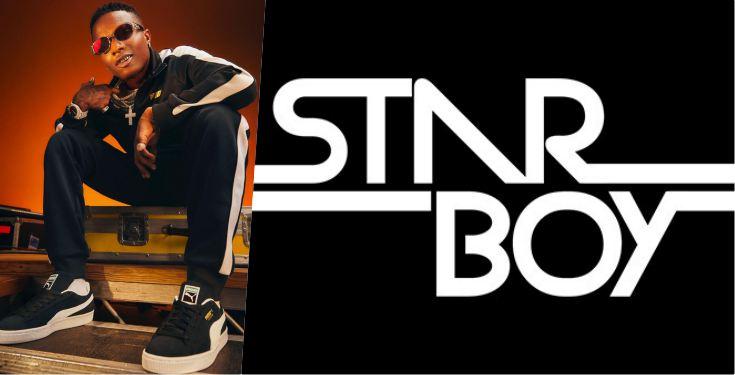
Starboy Entertainment, founded by Wizkid, has functioned as both a label and an artist collective. Early signings and collaborators included L.A.X, Maleek Berry, Legendury Beatz, and other producers/DJs who helped craft the Starboy sound — an effortless Afropop with R&B sensibilities. While Wizkid’s own global dominance eclipses the label itself, Starboy remains influential for the way it blends contemporary pop with Afrobeats textures.
Why it matters: The Starboy brand is a model of how superstar artists build ecosystems (producers, DJs, collaborators) that boost creative control and help break new songs internationally.
6. Spaceship Collective / Spaceship Entertainment — artist-run, artist-first
Spaceship Collective (sometimes referred to as Spaceship Entertainment/Collective) is the platform behind Burna Boy and his related creative ventures. While Burna operates more as an independent artist with business extensions than a conventional label with a long roster, Spaceship represents a modern, holistic model that combines label, management, publishing and creative services. It’s reflective of how superstar acts are moving beyond the old label model into full creative collectives.
Why it matters: Burna Boy’s global success (Grammy wins and arena tours) has shown how an artist-centric collective can manage huge international momentum while still building a catalogue and talent pipeline at home.
7. Jonzing World — small label, big breakout hits
Jonzing World, founded by D’Prince, is a more boutique operation that hit the headlines for signing Rema (and later Ruger) — both of whom became major breakout stars. Jonzing shows that a compact, focused label can still discover and accelerate acts that go global, especially when partnered with bigger players for distribution and support.
Why it matters: Jonzing’s success with Rema and Ruger proves that nimble A&R and strong mentorship can produce artists who define next-generation Afrobeats.
8. Legacy and regional labels: E.M.E, Kennis and others
Some older labels remain important because of the careers they launched. Empire Mates Entertainment (E.M.E) — Banky W’s outfit that launched Wizkid and others — reshaped early-2010s pop in Nigeria and later evolved into a creative agency while still shaping careers. Kennis Music (Kenny Ogungbe) is another legacy label that introduced icons like 2Baba (2Face Idibia) and other big names to Nigerian audiences. These labels remind us that today’s scene was built on decades of earlier industry work.
Why they matter: Legacy labels provide continuity — catalogs, marketing know-how, and the blueprint for artist development that newer labels adapt for the streaming era.
ALSO READ : The Evolution of Afrobeats: From Fela to Rema
How these labels differ — models and strategies
Across these labels you’ll see several recurring models:
- Star-founder imprints (DMW, Starboy, YBNL) leverage the founder’s profile for fast exposure.
- Established indie labels (Chocolate City, Kennis) focus on artist development and brand beyond one marquee star.
- Boutique talent houses (Jonzing, Spaceship Collective) use tight A&R and partnerships to scale breakout acts fast.
Labels also vary in function — some are primarily record labels, some are management/publishing collectives, and many now operate hybrid models with distribution partnerships that help artists access international playlists and markets.
What to watch next
- Partnerships with global distributors: more Nigerian labels are in deals or conversations with global distribution networks to push their artists worldwide.
- Collectives and artist autonomy: expect to see more artists create their own collectives or label-adjacent businesses (publishing, touring, merch) as revenue streams beyond streaming.
- Niche and genre labels: as Afrobeats fragments into subgenres, boutique labels that specialize in alt-R&B, hip-hop, or indigenous Afropop may become tastemakers and exporters of new sounds.
Final note
Nigeria’s record-label landscape is a dynamic mix: legacy companies that built careers, star-led imprints that fast-track artists, and boutique operations that discover the next cultural moment. Together they form an ecosystem that has turned local vibrancy into global music culture.